Every bride wants her wedding dress to look its best, and the right petticoat can help. A petticoat supports the shape of the gown and helps the skirt fall the way it was designed to. But not every wedding dress needs one: many gowns already have netting or support built in, and others are designed to drape naturally.
This guide explains what wedding dress petticoats are, the main types, and how to choose the right one for your gown.
What Is a Wedding Dress Petticoat?
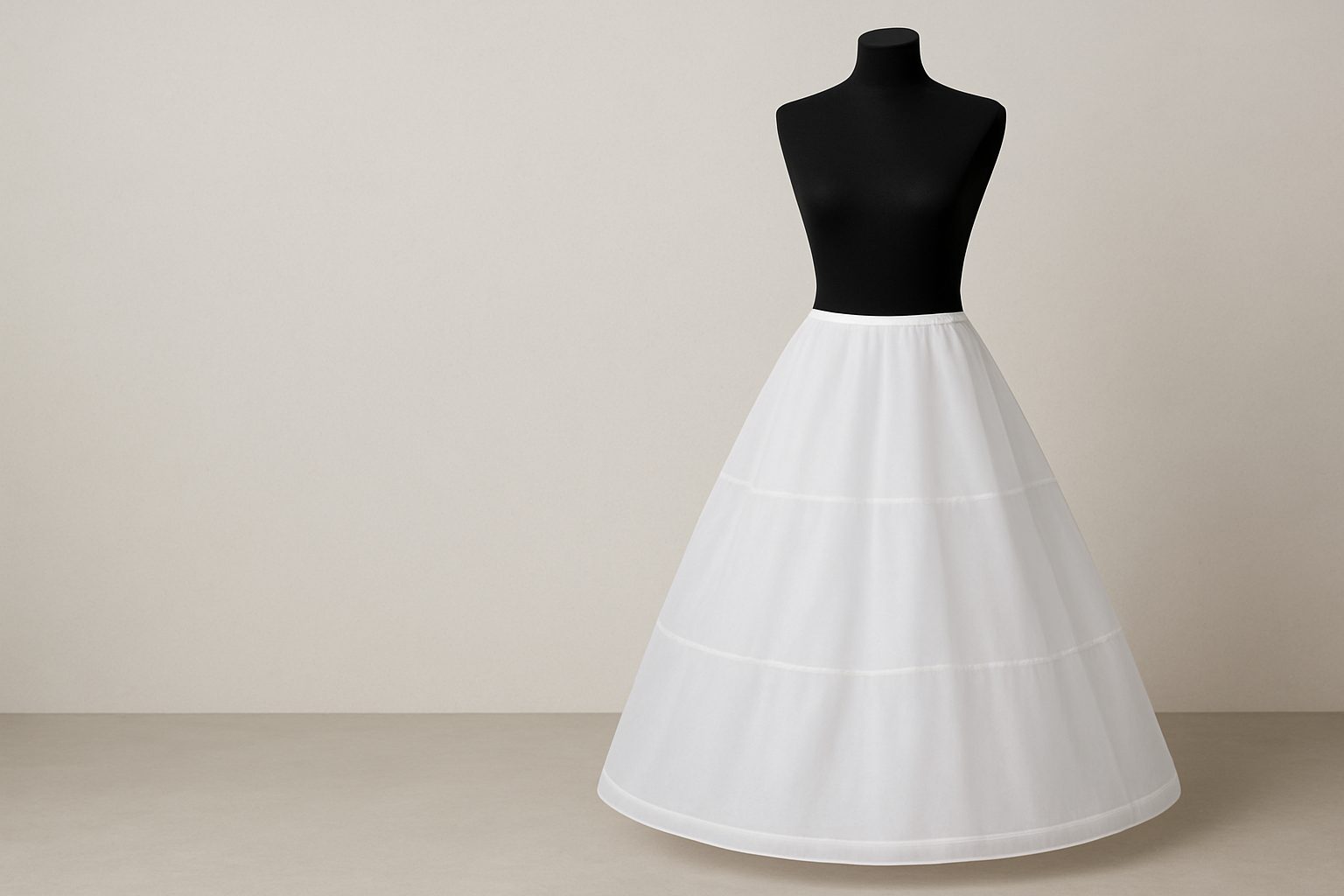
A wedding dress petticoat is an underskirt worn beneath a wedding gown. Depending on its type, it can add shape and volume, support the skirt so it keeps its structure, or simply give a smooth base under the dress.
Petticoats have been worn for centuries. Early versions were often heavy, with many layers of fabric. Modern bridal petticoats are much lighter, usually made from layers of tulle or dress net, sometimes with hoops.
It helps to know a few related terms:
- Crinolines are underskirt supports used to create a full, structured skirt. Historically, the term meant stiffened petticoats made with horsehair-and-linen fabric; it later also came to describe cage-like structures supported by hoops.
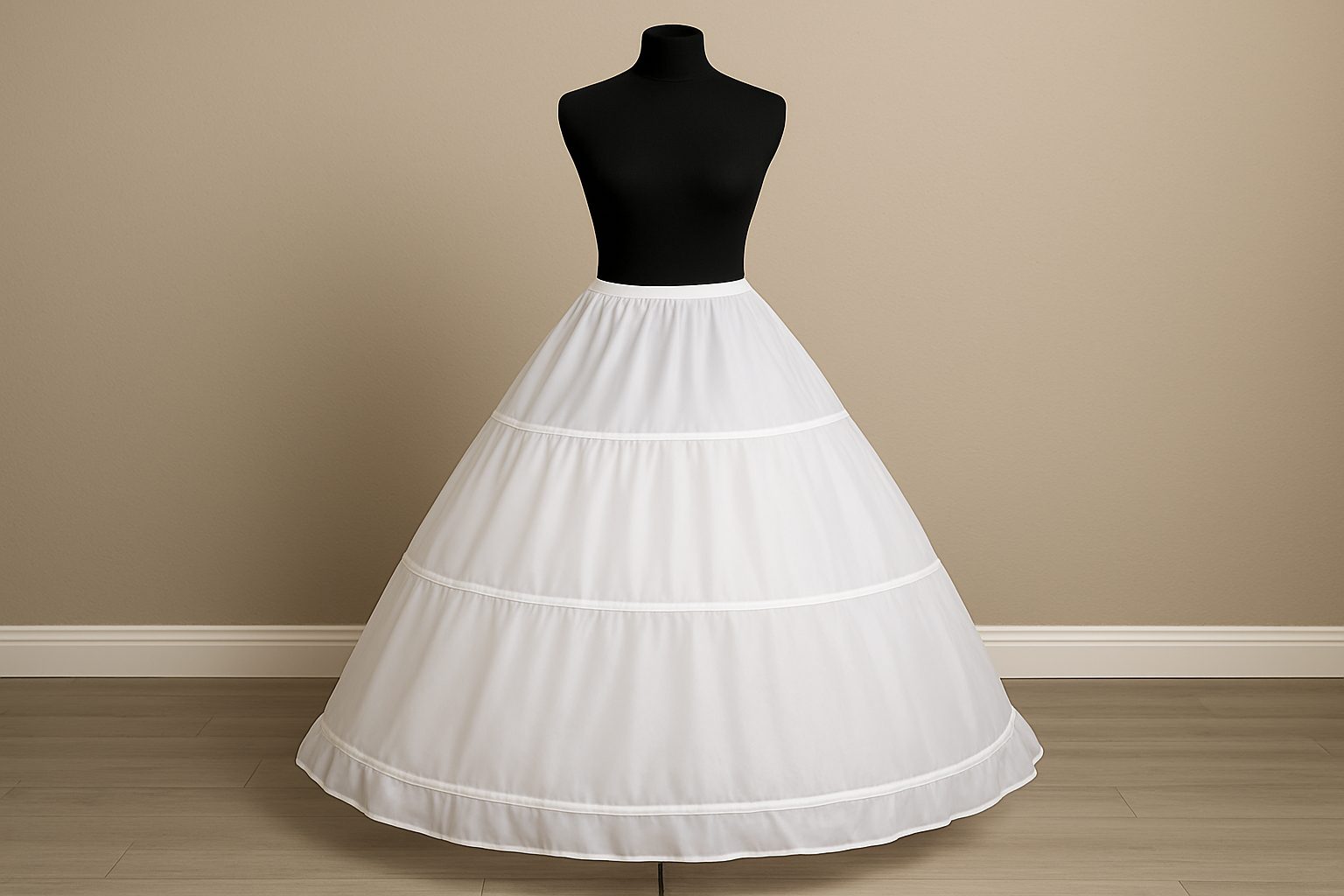
- Hoop skirts use a series of hoops, held by tapes or enclosed in fabric, to hold the skirt away from the body. They create volume without many heavy layers, although large designs can restrict movement in tight spaces such as doorways, stairs or a car.
- Slips are lightweight underskirts that give coverage and help a dress hang smoothly. They can reduce cling, but they are not meant to add volume or structure.
Why Do You Need a Petticoat?
Not every wedding dress needs a petticoat, but for many styles it makes a real difference.
1. Volume and Shape
A petticoat helps the skirt keep its intended shape all day, whether that is the gentle flare of an A-line or the fullness of a ball gown. It supports the fabric so your gown looks in your photos the way it did at your final fitting.
2. Comfort and Movement
By holding the skirt away from your legs, a petticoat stops the fabric clinging and tangling as you walk, so you can move more freely. Under slimmer styles, a slip does a similar job without adding volume.
Different Types of Wedding Dress Petticoats
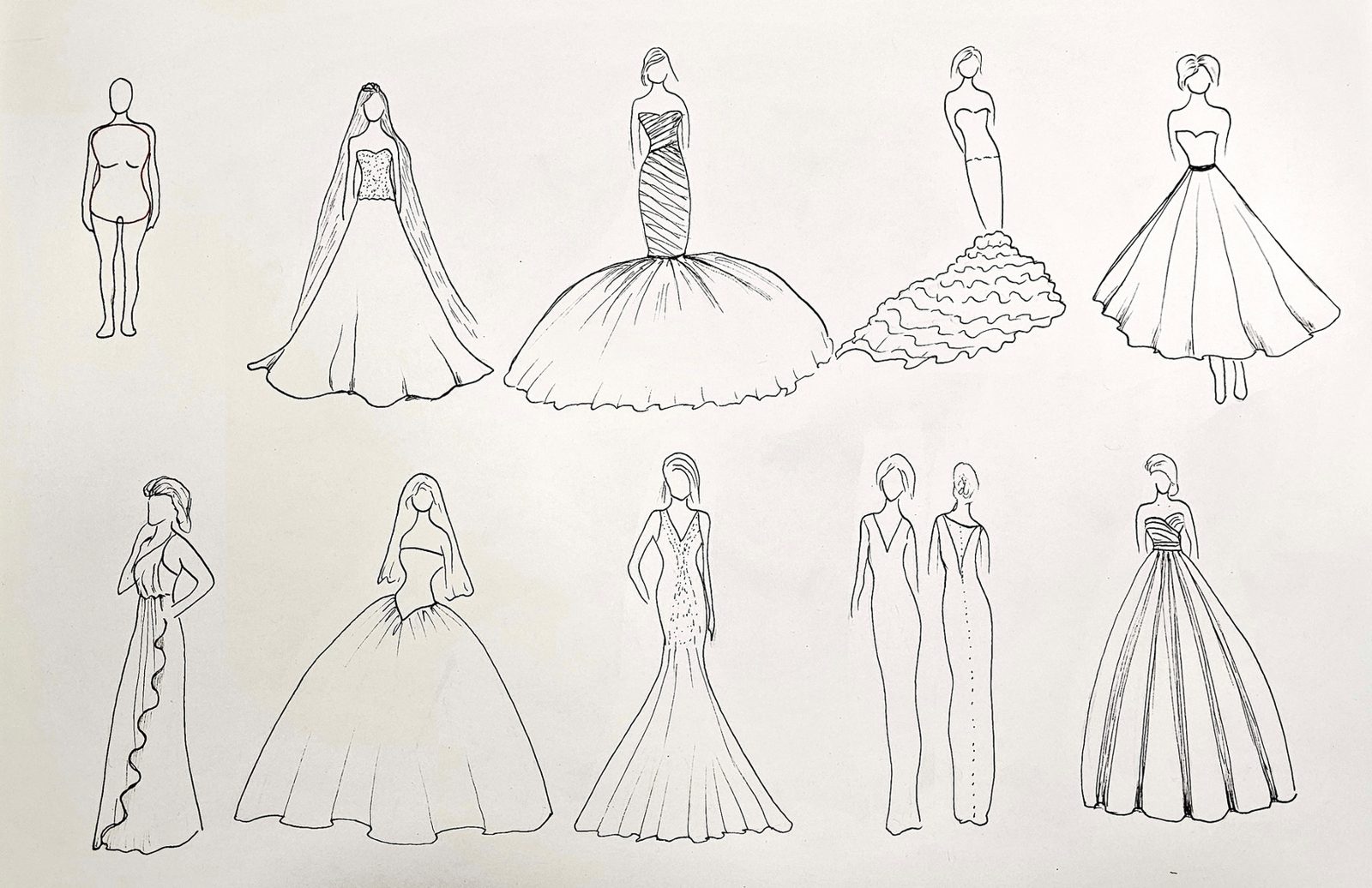
Petticoats are not one-size-fits-all. The right one follows the shape of your gown.
1. A-Line Petticoats
These widen gradually towards the hem to support the gently flared shape of an A-line dress. They come in different levels of fullness, from subtle shaping to a more pronounced flare.
2. Ball Gown Petticoats
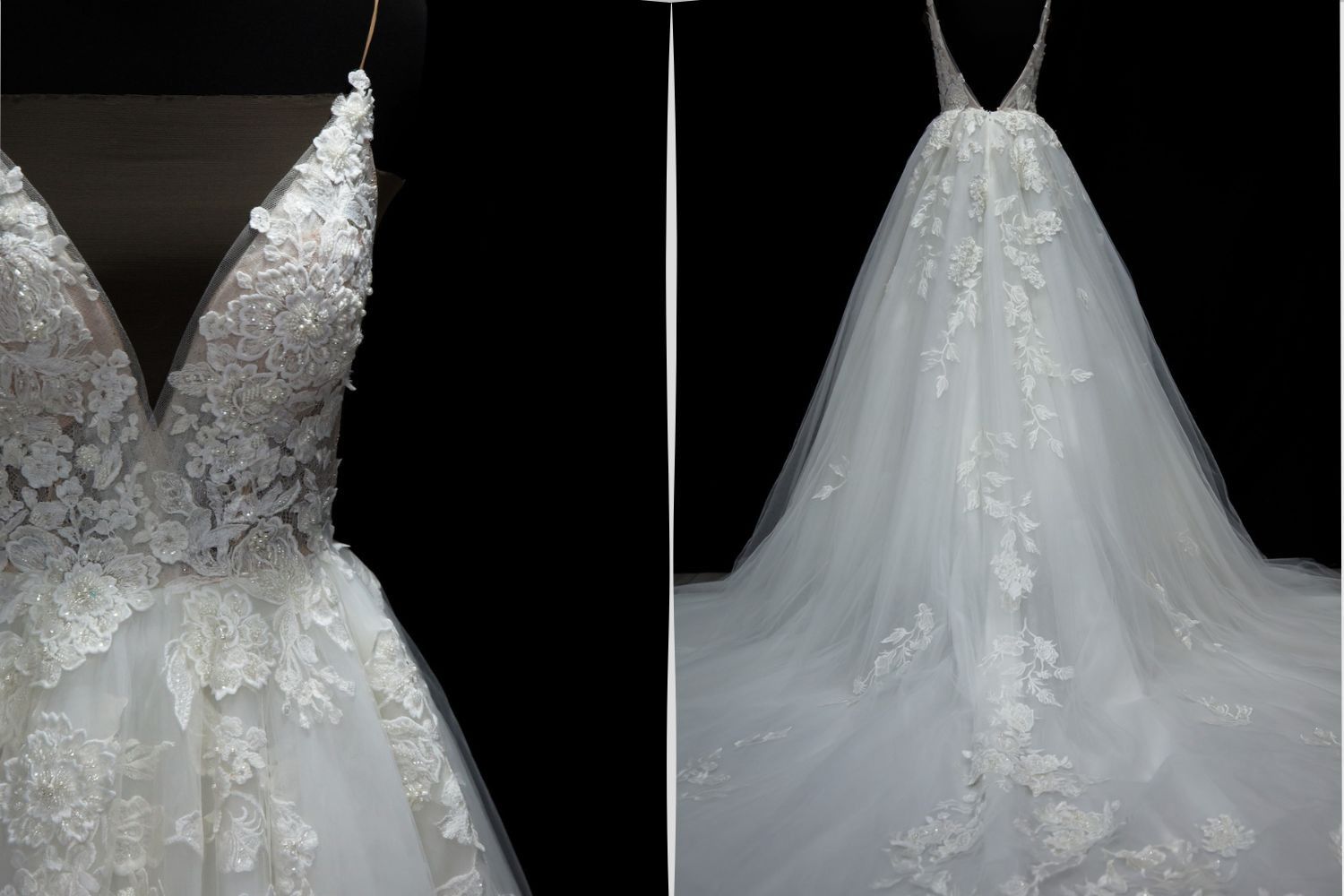
Designed for wide, full skirts, these use several layers of net, hoops, or both to create and hold the volume. If your ball gown already has plenty of netting built in, it may need little or no extra support.
3. Mermaid & Trumpet Petticoats
These stay fitted through the upper skirt and add fullness where the gown flares. Mermaid styles usually flare at or below the knee, and trumpet styles higher, around mid-thigh. The flare of the petticoat needs to match the flare of the dress, so it supports the skirt without pushing out the fitted part.
4. Layered Petticoats
These build fullness with several layers or tiers of fabric. The effect depends on the fabric and the number of layers: soft tulle gives gentle volume, while stiffer net creates a much more structured shape.
5. Hoop Skirts
Hoop skirts use rings to hold the skirt out in a defined shape without heavy layers, and are often combined with net. The size and number of hoops should suit your dress: a bigger hoop is not automatically better.
6. Slip Petticoats
Slips give a smooth base under slim or fitted gowns, and coverage under sheer or lightweight fabrics, without adding volume.
Choosing the Right Petticoat for a Wedding Dress
The right petticoat depends not only on the style of your dress, but also on the fabrics it is made from and how it is built inside. Start by checking whether your gown already has built-in netting, lining or other support.
Then match the petticoat to your wedding dress silhouette: a gently flared underskirt for an A-line, a fuller one for a ball gown, a petticoat with a lower flare for a mermaid or trumpet dress, and a smooth slip when you want coverage rather than volume.
Fabric matters too. A light chiffon or tulle skirt can be overwhelmed by a stiff, heavy petticoat, while a heavier gown may already have enough support built in. Warmth depends on how the petticoat is made: many layers of net feel warmer than a hoop with only a few layers.
Get advice before you buy. Not every petticoat sold with or for a wedding dress is the right one for it, and an unsuitable petticoat can spoil the shape of a beautiful gown. An experienced bridal seamstress can look at your dress, its style and its fabrics, and advise you on the type and fullness of petticoat that will work best.
Finally, try your petticoat under the actual gown and check that you can walk, sit and turn comfortably.
Still choosing your gown? Browse our A-line, princess ballgown and mermaid wedding dresses, all available to try on at our Peterborough studio.
Petticoat Fabrics and Materials
Most bridal petticoats are made from tulle or dress net. Tulle is a fine net, and both come in different stiffnesses: softer for gentle shaping, stiffer for more pronounced support. Organza is a light, crisp fabric that adds structure. Some petticoats also include hoops or boning to hold their shape.
Check the inside too: a soft lining keeps coarse netting away from your skin.
Wedding Dress Petticoat Styling Tips for Brides
- Start with one petticoat. If you want more fullness, try any extra layers with your dress at a fitting, rather than assuming more layers will look better.
- Check the colour. Petticoats come in white, ivory and nude shades, so check the colour under your actual dress rather than going by the name.
- Bring your petticoat to every fitting. It changes how the skirt falls and the length of the hem, so your dress needs to be fitted with it on.
- Practise moving. Walk, sit and dance in your gown, petticoat and wedding shoes before the day. If your gown has a train, consider adding a bustle so you can lift it for the reception.
- Store it carefully. Follow the care label, so your petticoat keeps its shape.
Wedding Dress Petticoats and Alterations: Perfecting Your Bridal Silhouette
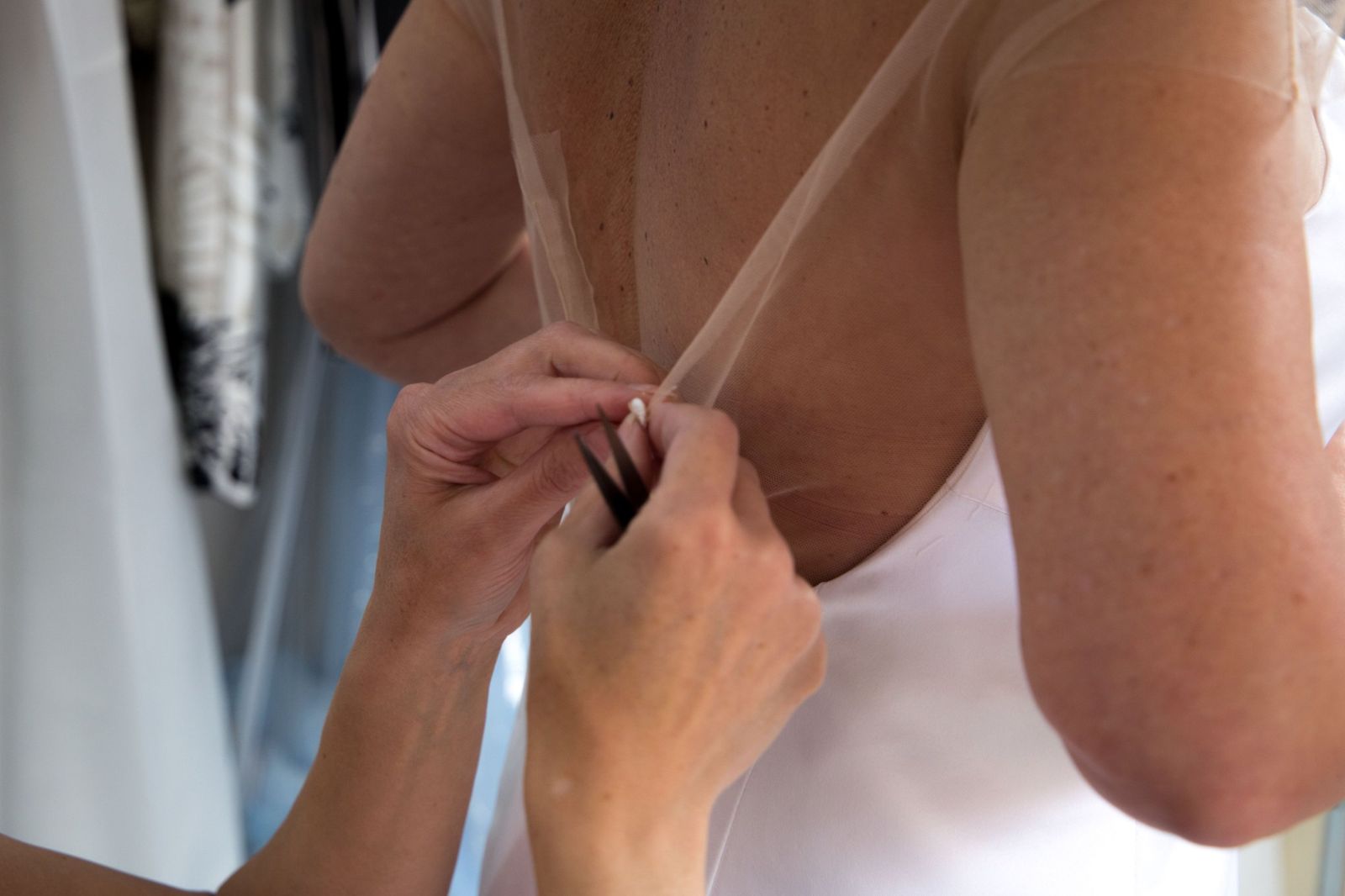
Wedding dress petticoats and wedding dress alterations work together to create the perfect bridal look.
At iStitch, we can advise you on the right underskirt for your gown and make sure your dress fits beautifully with it after alterations.
Wedding Dress Alterations in Peterborough
Looking for a professional wedding dress seamstress in Peterborough?
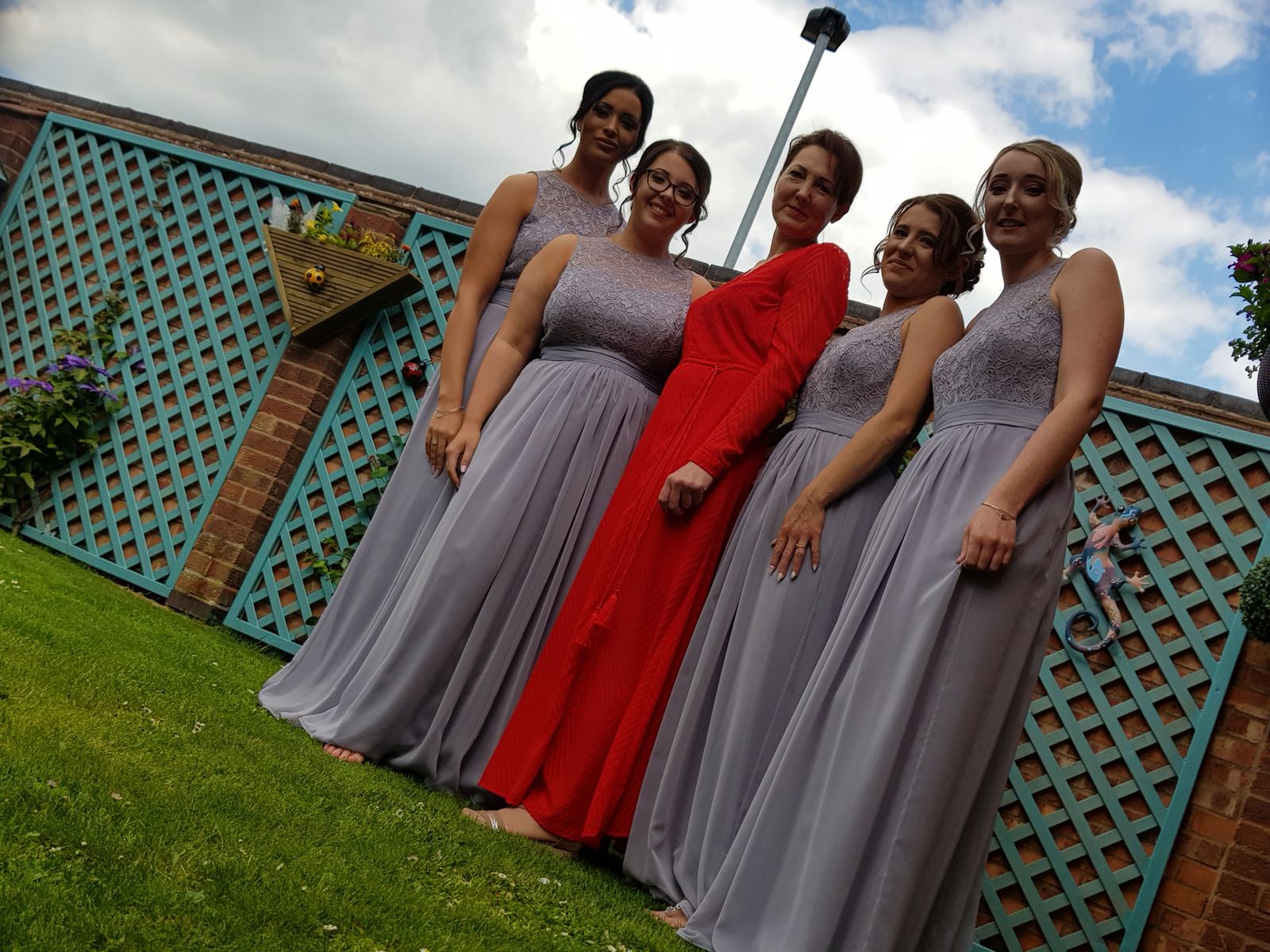
At iStitch, we specialise in wedding dress alterations, bridesmaid and prom dress alterations and customisation, helping brides feel confident and beautiful on their special day.
Contact us to book your free consultation for wedding dress alterations in Peterborough.
Read our client reviews and discover why brides trust us.

Expert seamstress advice from iStitch
Over 35 years of dressmaking experience, Peterborough. About us