Your wedding dress is one of the most important garments you’ll ever wear—and it deserves to fit like a dream. That’s where alterations come in. Wedding dress alterations are essential for ensuring your gown hugs in all the right places, moves beautifully, and looks tailored specifically for you.
In this complete guide, we’ll walk you through everything you need to know: what to expect, when to start, how much do wedding dress alterations cost, and how to prepare for your fittings.
Need wedding dress alterations in Peterborough? Contact us!
1. What Are Wedding Dress Alterations?
Wedding dress alterations involve making adjustments to a wedding gown to improve its fit, function, or style. Whether it’s a simple hemline tweak or a full custom transformation, alterations help ensure your dress fits your body—and your vision—perfectly.
1.1. What Alterations Can Be Made to a Wedding Dress?
Common wedding dress alterations include:
- Hemming the length to ensure the gown just grazes the floor perfectly with your wedding shoes.
- Taking in or letting out the bodice helps the dress contour smoothly to your upper body for a flawless silhouette.
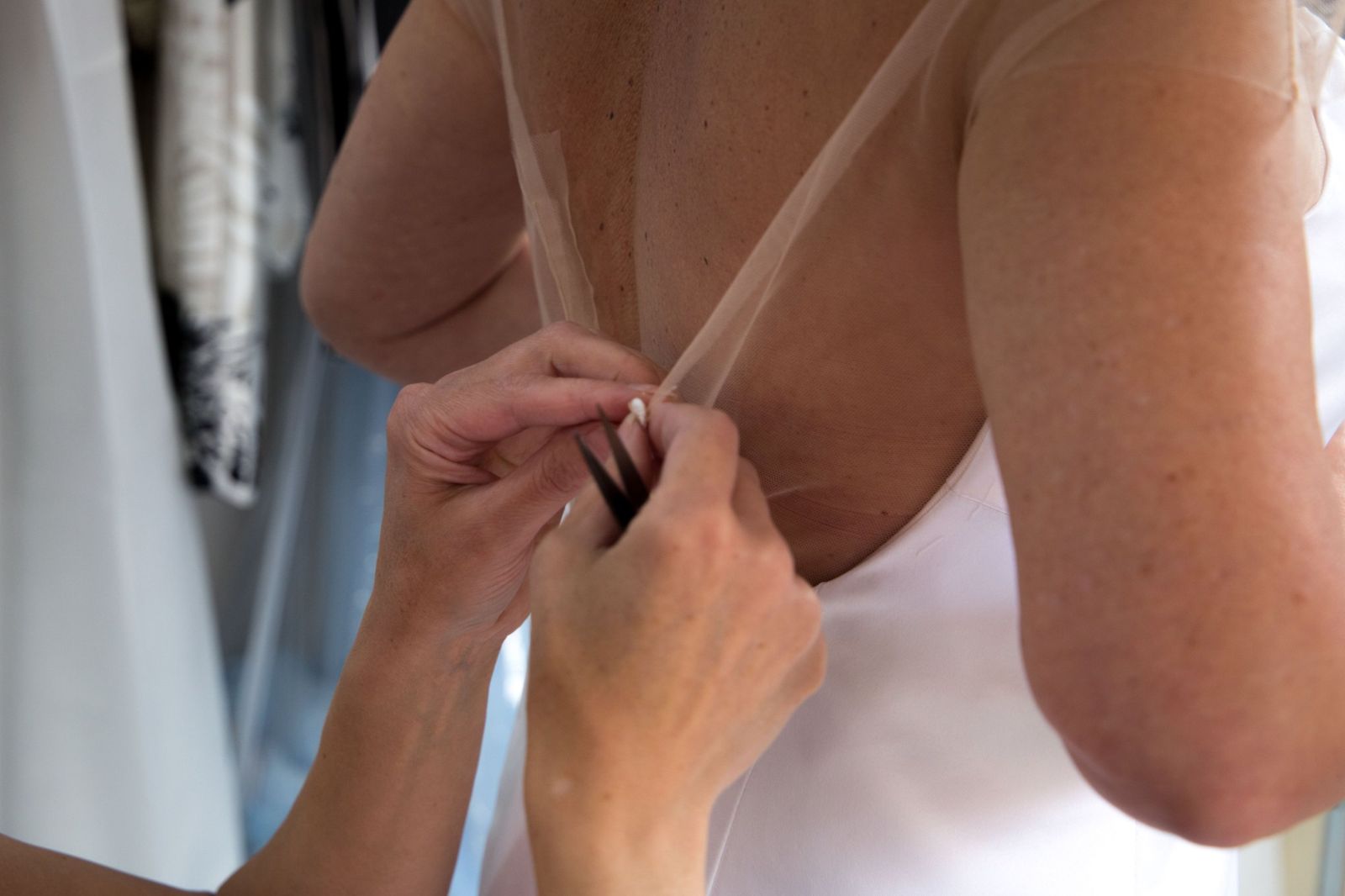
- Adjusting straps or sleeves can enhance comfort and ensure they sit securely without slipping or digging in.
- Adding a bustle allows the train to be lifted and secured, making it easier to move and dance during the reception.
- Reshaping the neckline can transform the overall look of the dress and better match your style or body proportions.
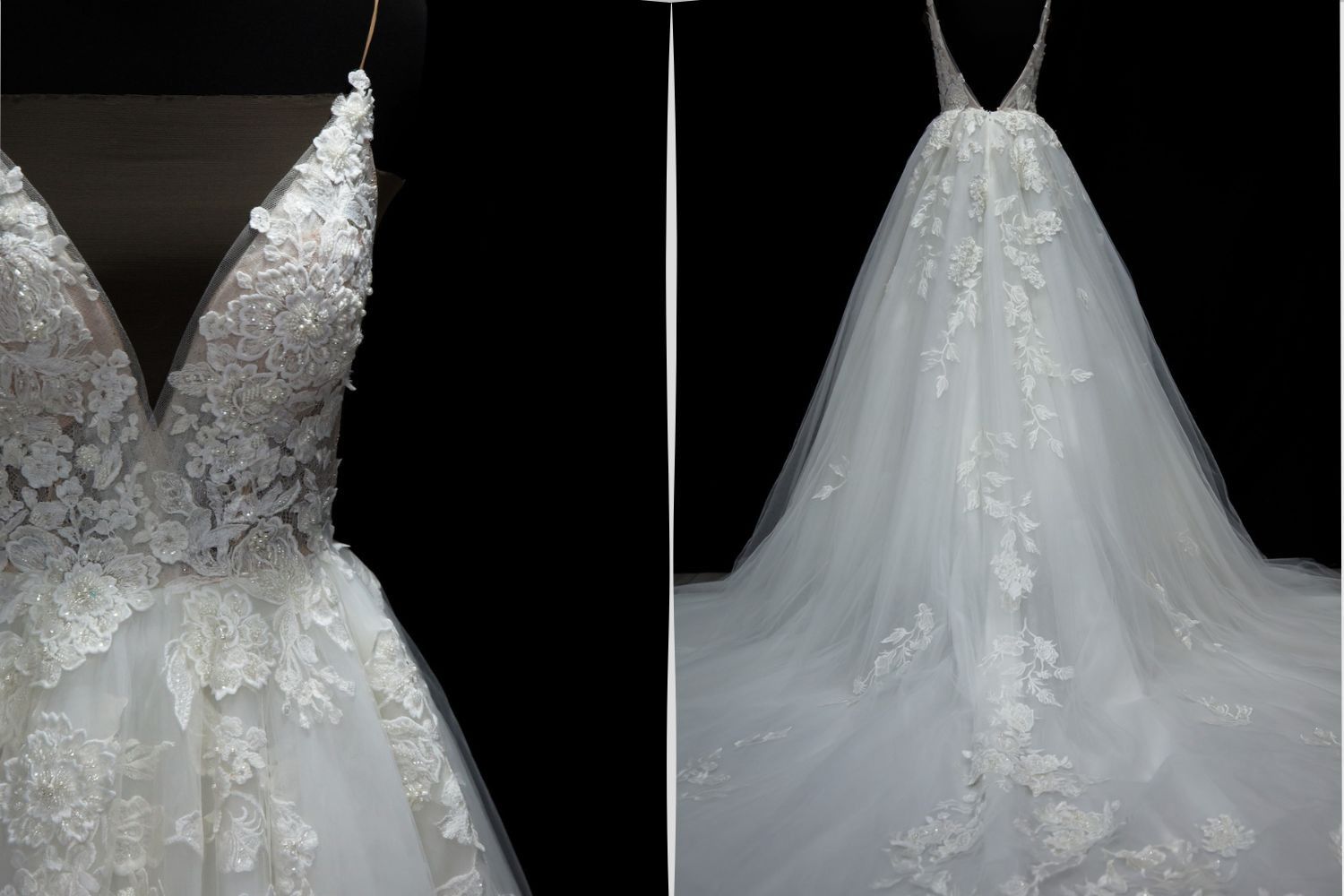
- Adding decorative elements like lace or beading is a beautiful way to personalise the gown or match it with your accessories.
1.2 What Wedding Dress Alterations Can’t Be Done (and Why)?
While many alterations can be made to customise the fit and style of a wedding dress, there are some limitations to what’s possible.
Whether a dress can be let out depends on how it was made. Some dresses have seam allowances, extra fabric inside the seams, and some don’t. If there isn’t enough fabric in the seams, it may not be possible to make the dress larger.
Similarly, changing the overall structure or silhouette, such as turning a mermaid gown into an A-line, can be very difficult or not feasible without major reconstruction.
Altering heavily embellished areas like lace, sequins, or intricate beading can also be time-consuming and costly, and may not always produce a seamless result. That’s why it’s important to consult with a specialist seamstress before purchasing a dress that's far from your size or ideal style, so you can understand what's realistically achievable.
2. Wedding Dress Alteration Timeline
2.1 When Should You Book Wedding Dress Alterations?
Book your first fitting as early as you can. The time needed depends on your dress and the work involved, and starting early gives your seamstress time to make careful, precise adjustments without rushing, especially in the busy wedding season.
2.2 How Do Alterations Usually Happen?
Alterations start with a consultation and fitting, followed by further fittings if needed. You can find out more about each stage in section 4 below.
3. Are Wedding Dress Alterations Always Expensive?
Not necessarily.
While some high-end alterations can be expensive, not all wedding dress alterations are costly.
At iStitch, our goal is to offer clear, fair pricing for every bride. The cost depends on your gown’s style, fabric and structure, and on the work needed. You can see our starting prices on our services page, and we always agree a clear quote with you at your free consultation before any work starts.
3.1 Are They Worth the Cost?
Absolutely.
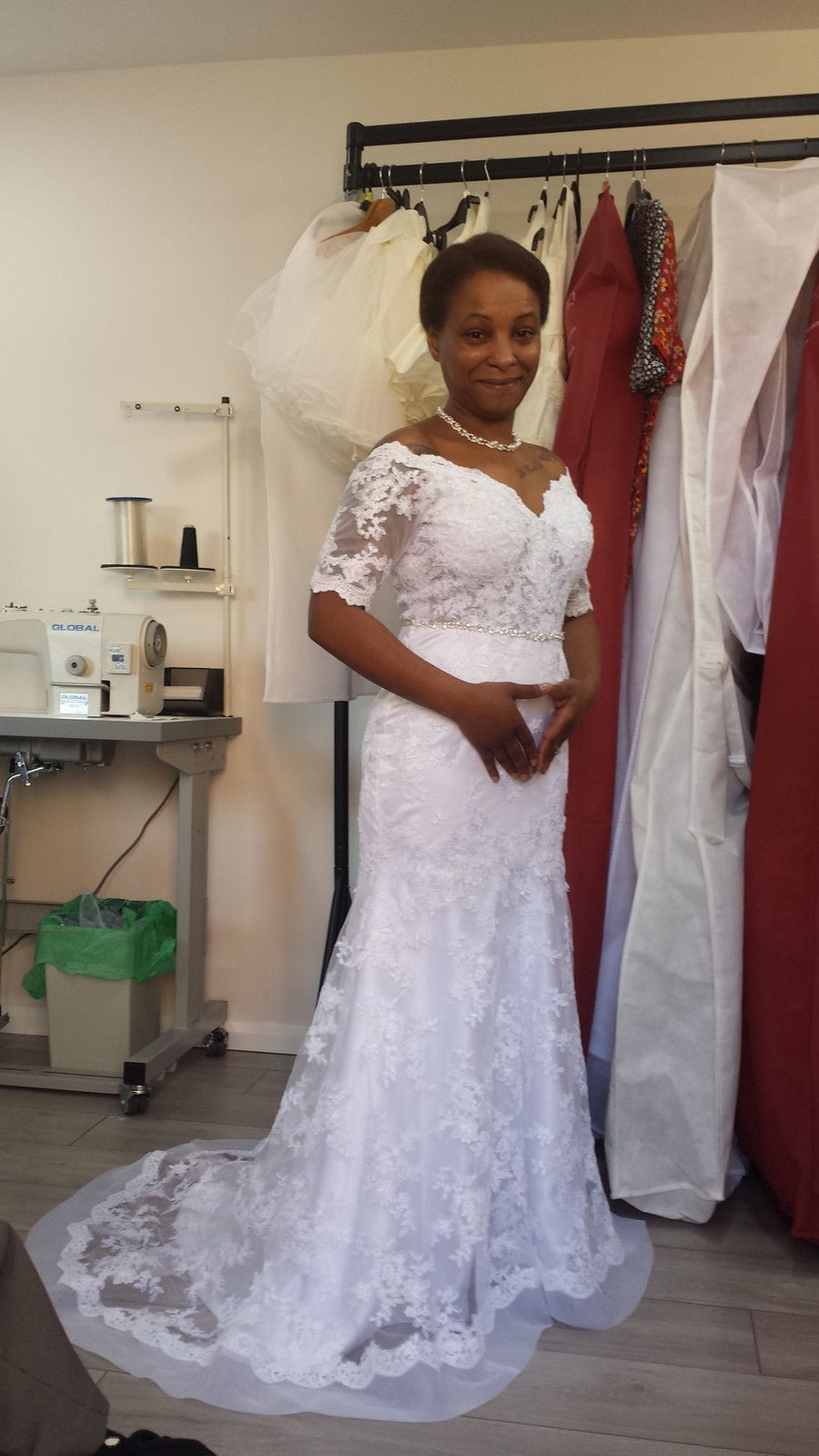
Alterations are an investment in how you look and feel on your big day. A properly fitted dress can make all the difference in comfort, confidence, and how your gown photographs.
Skipping wedding dress alterations altogether is one of the biggest mistakes brides make.
4. What to Expect During the Wedding Dress Alteration Process
The process begins with a consultation, where you’ll bring your wedding dress, the shoes you plan to wear, and any undergarments or shapewear. We’ll discuss your vision, assess the gown, and decide what adjustments are needed.
The first fitting is where the main structural alterations begin. This is when major adjustments—like hemming, taking in the bodice, or adjusting straps—are pinned and marked. You'll try on the dress, and we'll carefully note what needs to be changed to get the fit just right.
If needed, further fittings are all about refinement. They allow us to fine-tune the gown, check how it moves with you, and make small tweaks for comfort and confidence. The number of fittings depends on the work involved.
Before you collect your dress, you’ll try it on again so we can check that everything fits well and there are no issues. This is the time to raise anything you’re not happy with, so it can be put right before you take your dress home.
Learn more: What to Expect During Your Wedding Dress Alterations: A Step-by-Step Guide
5. What to Do Before Bridal Alterations?
Before your first appointment, please have your dress freshly cleaned, and bring the exact shoes and undergarments you plan to wear on the day. Your heel height sets the hem length, and your bra or shapewear changes how the bodice fits, so we can only fit your dress accurately with them.
Read more: What to Wear to Your First Wedding Dress Fitting?
6. How to Choose the Right Seamstress?
Choosing the right seamstress for wedding dress is crucial to ensuring the perfect fit and preserving the beauty of your gown. Look for someone with specific experience in bridal alterations, as wedding dresses often involve delicate fabrics, complex construction, and intricate details like lace, beading, or boning.
A reputable wedding dress seamstress should be able to show you a portfolio of past work and have positive reviews or testimonials from other brides. Before booking, ask important questions such as: Have you worked with dresses like mine? How many fittings will I need? What is your turnaround time and pricing structure? Feeling confident in their skill and communication style will give you peace of mind throughout the process.
Read more: Seamstress vs General Tailor: Why Choose a Wedding Dress Seamstress?
6.1 Why Choose iStitch?
At iStitch, we offer personal fittings and consultations in a private, comfortable space.
We are rated 4.6 stars on Google, and many of our brides share their experience on social media.
7. Wedding Dress Alterations Glossary: Key Terms to Know
- Hem. The bottom edge of the dress that may need to be shortened or adjusted to the right length, especially based on your shoe height.
- Bustle. A wedding dress bustle is a set of hooks, buttons, or ties added to lift and secure the train of the gown after the ceremony, making it easier to move and dance during the reception.
- Train. The elongated back portion of the skirt that trails behind the dress. It can be shortened or bustled, depending on your preference.
- Boning. Flexible strips (often plastic or metal) sewn into the bodice to provide structure, support, and shape—especially useful in strapless gowns.
- Seam allowance. The extra fabric inside the seams that allows a dress to be let out (made slightly larger) if needed.
- Taking in / letting out. Adjusting the size of the dress by sewing the seams tighter (taking in) or loosening them (letting out), usually at the bust, waist, or hips.
- Bodice. The upper part of the dress, from the waist to the neckline, which often requires custom fitting for bust support and shape.
- Darts. Sewn folds in the fabric that shape the dress to fit your body more closely, often used to refine the fit around the bust or waist.
- Modesty panel. A piece of fabric added to provide extra coverage—commonly used in low necklines or corset-back dresses.
- Lining. The inner layer of fabric inside the dress, which adds comfort and helps with structure. It may also need adjusting when the outer dress is altered.
- Underlining. An extra layer of fabric sewn beneath the outer fabric to add support, prevent transparency, or improve drape.
- Strap adjustment. Shortening or lengthening the straps of a gown to ensure a secure, comfortable fit around the shoulders and bust.
- Cups. Built-in bra cups sewn into the bodice for shape, lift, and support—especially helpful for strapless dresses or those with low backs.
- Overlay. A decorative outer layer of fabric, such as lace or tulle, which may require special care during alterations to preserve detailing.
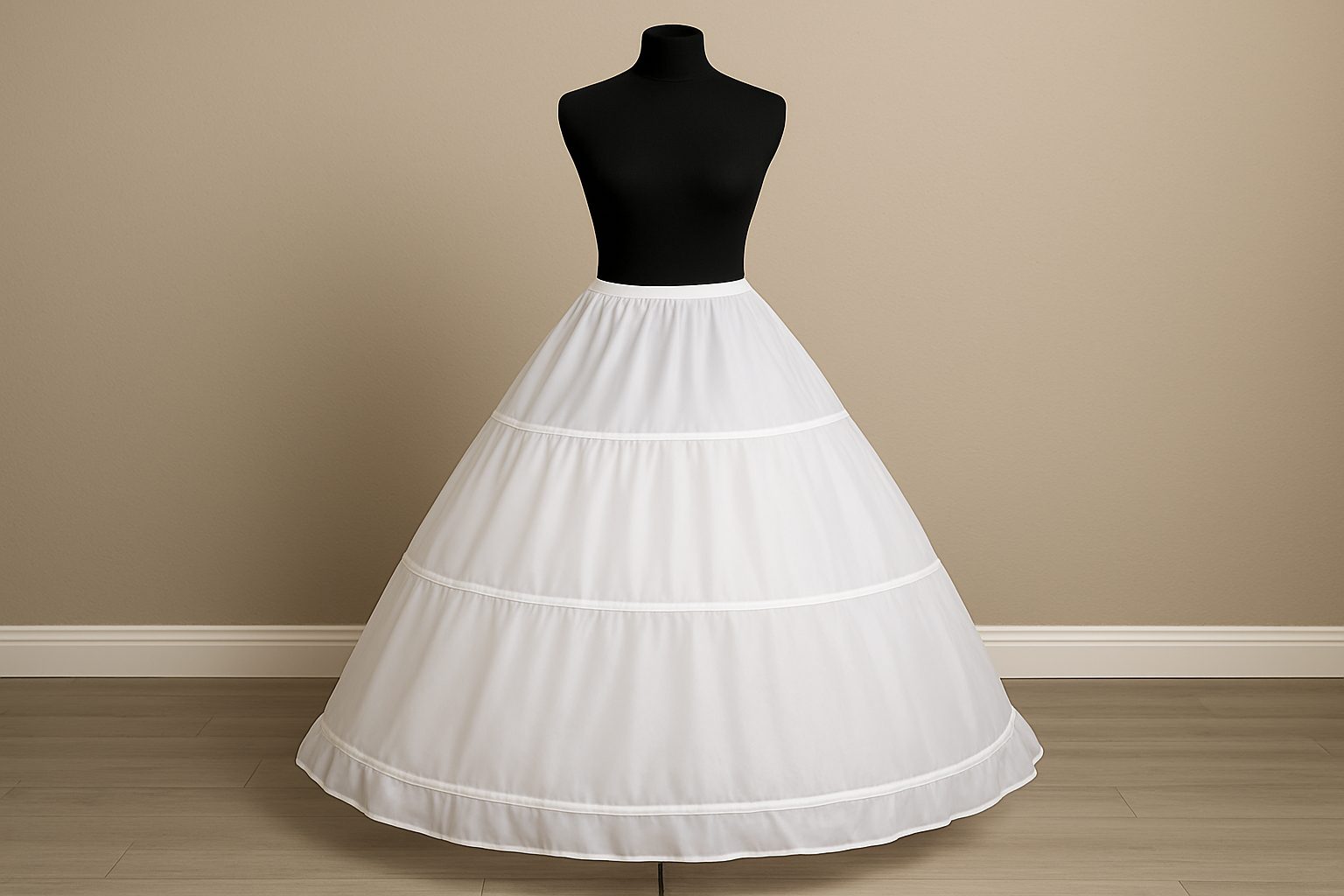
- Petticoat. A structured underskirt, usually made of tulle or net, worn beneath the gown to add volume, shape, or support. Petticoats can be adjusted or swapped to change the silhouette of the dress.
Wedding Dress Alterations: Final Thoughts
Alterations may seem daunting at first, but with the right planning and a trusted seamstress, the process can be smooth and even exciting. At iStitch, we want your dress to fit as if it were made for you. Whether you need a simple adjustment or a more detailed transformation, we’re here to help. Read more: Why Are Wedding Dress Alterations Important?
Bridal Alterations in Peterborough
Looking for a professional seamstress in Peterborough? At iStitch, we specialise in wedding dress alterations and customisation, as well as bridal party alterations. Contact us to book your free consultation, or read our client reviews to see why brides trust us.

Expert seamstress advice from iStitch
Over 35 years of dressmaking experience, Peterborough. About us