When it comes to finding the wedding dress—the one you’ve imagined, dreamed about, and maybe even pinned a hundred times—many brides make the same assumption: that once you find the perfect gown off the rack, the hard part is over. But here's the truth that often gets overlooked in the excitement: no matter how stunning it looks on the hanger or in the dressing room, your dress isn't truly ready to walk down the aisle until it's been tailored to fit you. The biggest mistake brides make? Skipping wedding dress alterations altogether or underestimating their importance.
A gown that fits almost perfectly isn’t good enough for your big day, because “almost” doesn’t photograph well, doesn’t feel comfortable, and certainly doesn’t live up to how special this moment should be.
Read on to learn more about common mistakes brides make with wedding dress alterations.
Looking for a professional seamstress in Peterborough? Contact us!
1. Skipping Wedding Dress Alterations (It Is a Big Mistake)
Wedding dresses are made in standard sizes, based on average measurements, but every woman has her own proportions. A dress may fit perfectly at the bust and not at the waist, or be the right size but the wrong length. That is where wedding dress alterations come in.
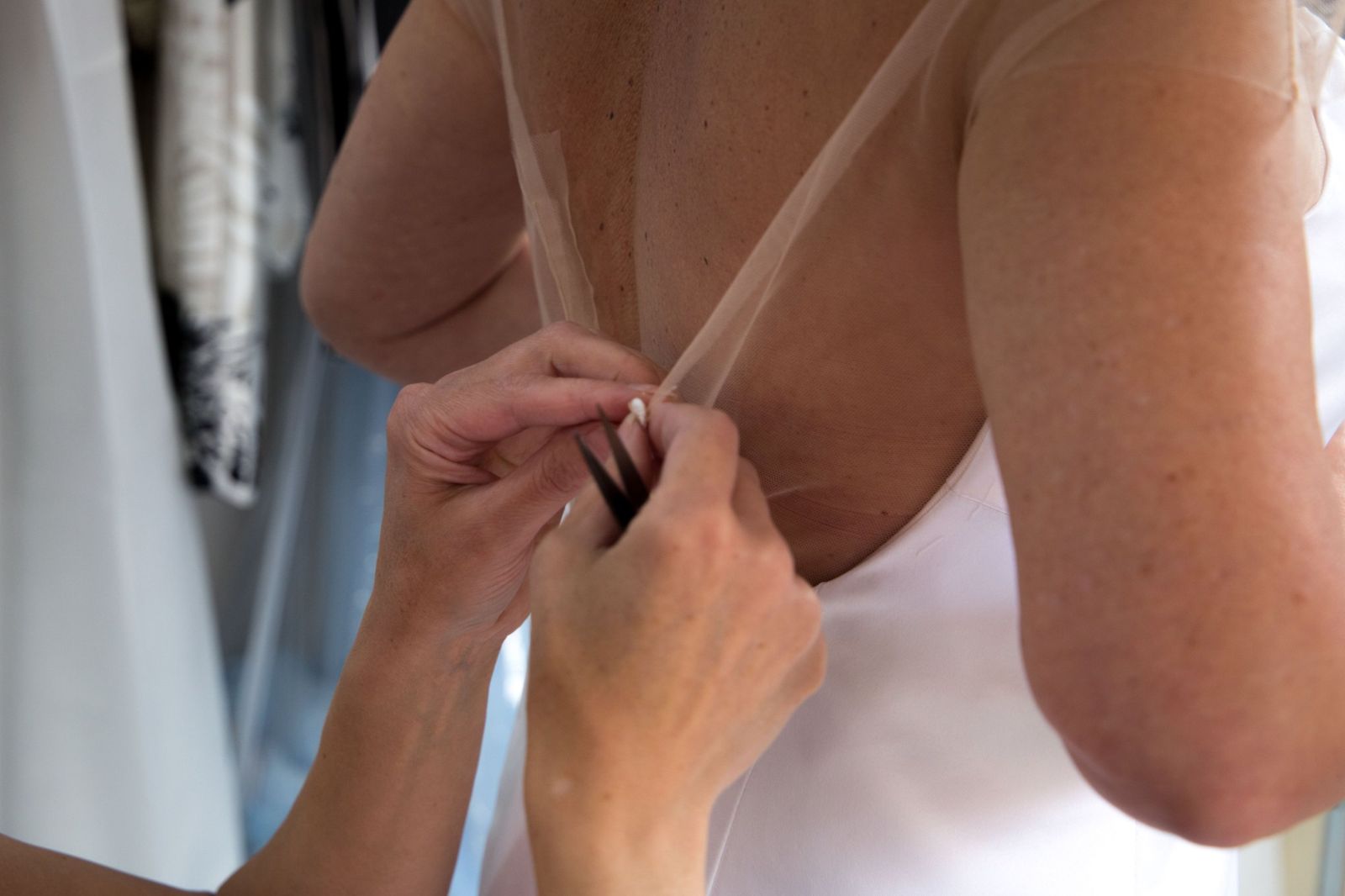
Alterations can be simple yet impactful, such as adjusting a strap so it sits comfortably on the shoulder, adding a dart to improve the fit around the bust, or sewing in cups for support and shape. Even the smallest alteration can make a big difference to how your dress looks and feels, and an experienced seamstress can always advise you and double-check the fit for you.
If you’re buying a dress advertised as made to measure, keep in mind that it isn’t always truly custom—especially if the price seems too good to be true. Many of these gowns are based on standard sizing with only minimal adjustments, so professional alterations are still essential to achieve the perfect fit.
Read more: Why Are Wedding Dress Alterations Important?
2. Underestimating the Complexity of Wedding Dress Alterations
Many brides assume alterations are quick or minor — just a hem here or a nip there.
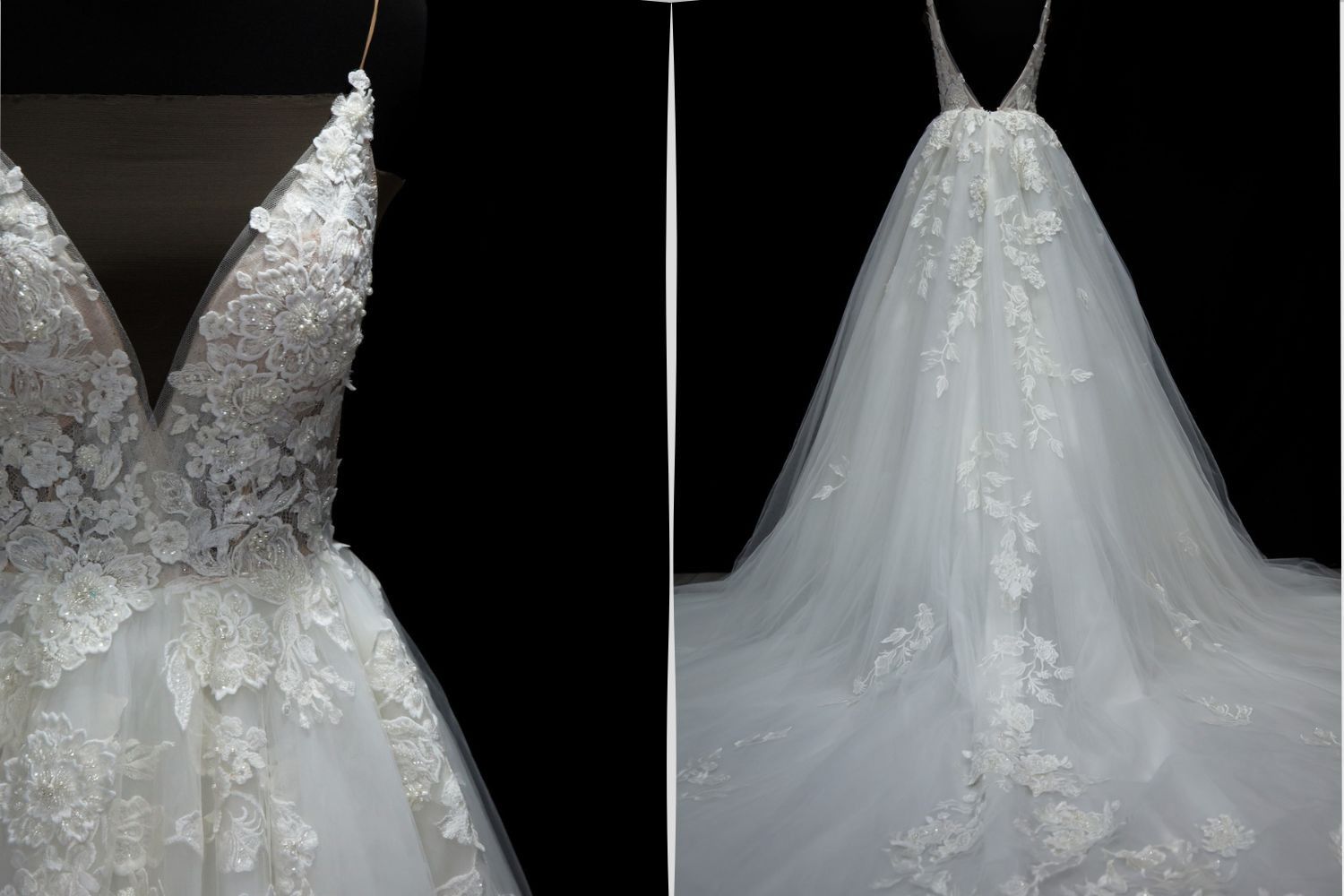
In reality, wedding dress alterations can be complex and time-consuming, especially with intricate details like lace, beading, or multiple layers.
Custom changes, like reshaping a neckline or adding sleeves, take skill and may need more than one fitting. Underestimating this process can lead to rushed work, extra stress, and even disappointing results.
Starting early and working with an experienced seamstress makes all the difference.
Read more: Seamstress vs General Tailor: Why Choose a Wedding Dress Seamstress?
3. Delaying the Start of Wedding Dress Alterations
Don’t leave alterations until the last minute. Book your alterations as early as you can. The time needed depends on your dress and the work involved, and starting early allows time for your fittings and gives your seamstress the time to make careful, precise adjustments without rushing.
Planning to lose weight before the wedding? This is one of the most common problems we see. If your weight changes after your dress has been fitted, it may need altering again, which means extra time and cost. Tell your seamstress about your plans at your first appointment, and aim to start your alterations once your weight is stable.
Read more: What to Expect During Your Wedding Dress Alterations: A Step-by-Step Guide
4. Not Planning a Budget for Alterations
This is a common concern, but don’t skip this step. Instead, plan for it.
Alterations should be part of your overall wedding dress budget. The cost depends on your dress and the work needed: a simple hem costs far less than restructuring a lace bodice. You can see our starting prices on our services page, and we always agree a clear quote with you at your free consultation before any work starts.
Remember, each dress is unique, and so are the alterations it may require. A simple fit adjustment might be on the lower end of the scale, while more complex changes, like restructuring the bodice or working with intricate lace, can be higher.
Learn more: Seamstress in Peterborough: Wedding Dress Alterations and More
5. Prioritising Style Over Comfort
Many brides go into alterations determined to perfect the look of their gown — which is totally understandable. But when every adjustment is focused on aesthetics, comfort can get overlooked.
Maybe the bodice looks flawless, but now it’s impossible to sit. Or a tightly fitted skirt means you can’t walk naturally. Alterations are your opportunity to make the dress not just look beautiful, but feel wearable, so you can breathe, move and dance freely.
6. Neglecting Proper Sizing During Fittings
It’s surprisingly common for brides to stay quiet during fittings — even if something feels a little off.
If you feel that something is still not right, whether it’s too snug in the bust or slightly gaping at the waist, say so. Many brides keep quiet, assuming “it’ll feel better later”, and that can lead to more time and work later on. Dresses should feel secure but not restrictive, and small adjustments now can prevent major discomfort on the day.
7. Prioritising Getting the Dress Down Several Sizes
Trying to tailor a gown down by multiple sizes can seriously backfire.
While a good seamstress can work magic, bridal gowns aren’t built to be dramatically resized.
Seams, boning and embellishments can get distorted, and the silhouette may no longer look the way it was designed to. If the dress is much too big, ask an experienced seamstress to advise whether it’s worth altering or if another gown would be a better choice.
8. Forgetting to Bring Shoes and Undergarments to Fittings
Your wedding shoes set the length of your hem, and your bra or shapewear changes how the bodice fits. Bring the exact shoes and underwear you’ll wear on the day to every fitting, or ask your seamstress for advice on undergarments for your gown.
Read more: What to Wear to Your First Wedding Dress Fitting?
9. Not Adding a Bustle for Wedding Dress
If your dress has a train, you’ll want to add a bustle—and trust us, you’ll be glad you did.
A wedding dress bustle lifts and secures the train after the ceremony, making it easier to move, dance and enjoy your reception without stepping on your gown. There are several styles, from the elegant French to the classic American bustle, and your seamstress can recommend the one that best suits your dress.
On the day, our Diamond Collection bridal attendant package includes bustling your dress after the ceremony, so you don’t have to worry about it.
10. Not Considering a Petticoat When It’s Needed
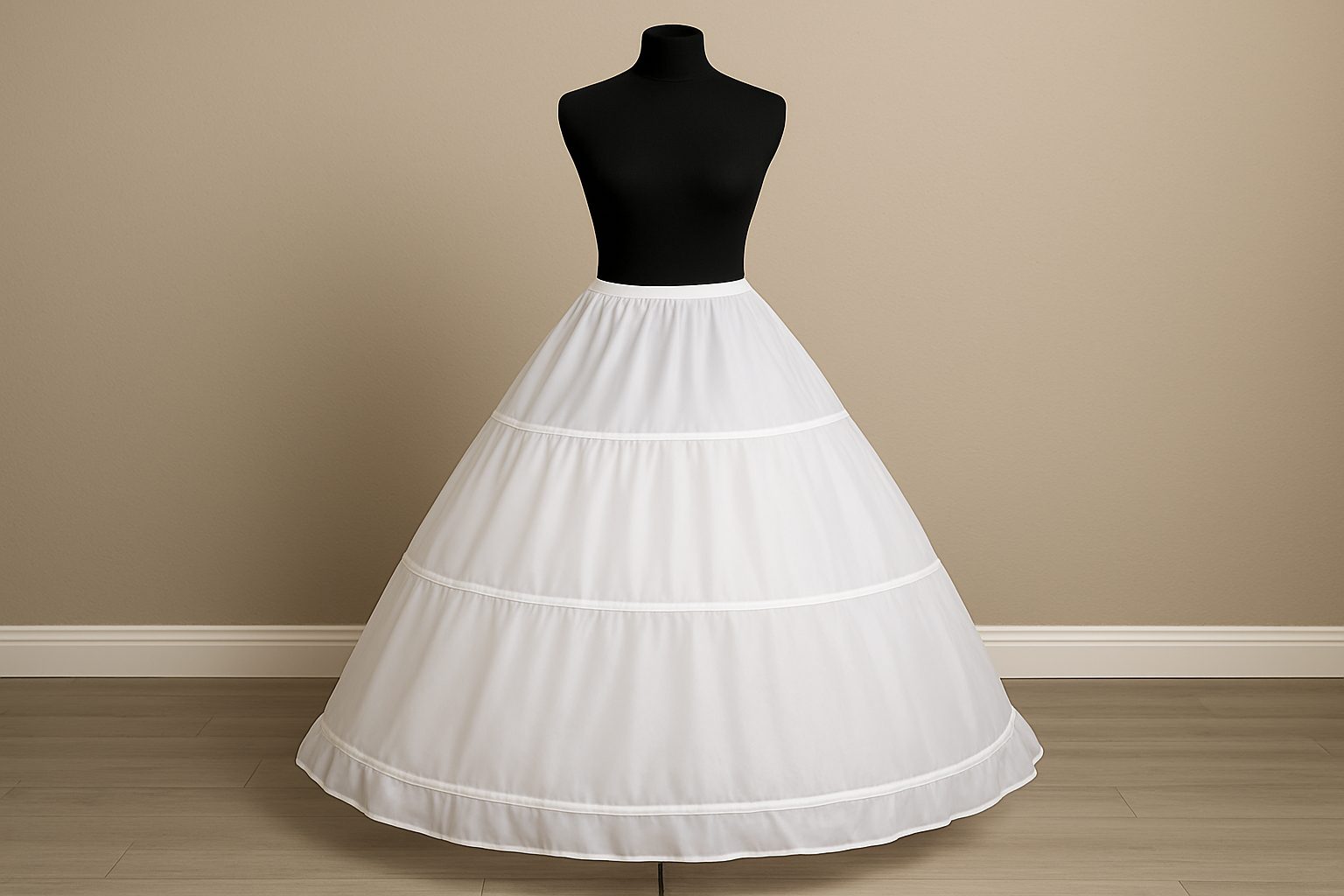
Overlooking the need for a wedding dress petticoat is another common mistake brides make.
Some gowns, especially ball gowns and full skirts, are designed to be worn with a petticoat, while others already have netting built in. Without the right support, a skirt that needs it can look deflated and move awkwardly. An experienced seamstress can tell you whether your dress needs one.
In Summary: Why Wedding Dress Alterations Matter
Your wedding dress is more than just a purchase—it’s a transformation.
Wedding dress alterations complete the look, ensuring your gown enhances your natural beauty and fits like a glove. With the right planning, the right timeline, and a good seamstress, your dress will truly feel like it was made just for you.
Looking for professional tailoring in Peterborough?
At iStitch, we specialise in wedding dress alterations, bridesmaid and prom dress alterations and customisation, helping women feel confident and beautiful on their special day. Contact us to book your free consultation for wedding dress alterations in Peterborough.
Read our client reviews to see real experiences from happy brides.

Expert seamstress advice from iStitch
Over 35 years of dressmaking experience, Peterborough. About us