As a bridal seamstress, I’ve worked on hundreds of dresses and seen how they fit real people, not mannequins.
While a dress might look stunning on a hanger, that doesn’t always mean it will work for your body or your big day. I’ve seen brides fall in love with a gown at first sight, only to face disappointment when it doesn’t fit or move the way they imagined. Every bride’s body is unique, and even the smallest detail—like the placement of a seam or the weight of the fabric—can make a big difference.
Before you buy, here are a few wedding dress shopping tips to save yourself stress, money and unnecessary alterations.
Looking for a wedding dress in Peterborough? Browse our wedding dresses in Peterborough, all available to try on at our studio.
My Most Important Tip: Be Yourself
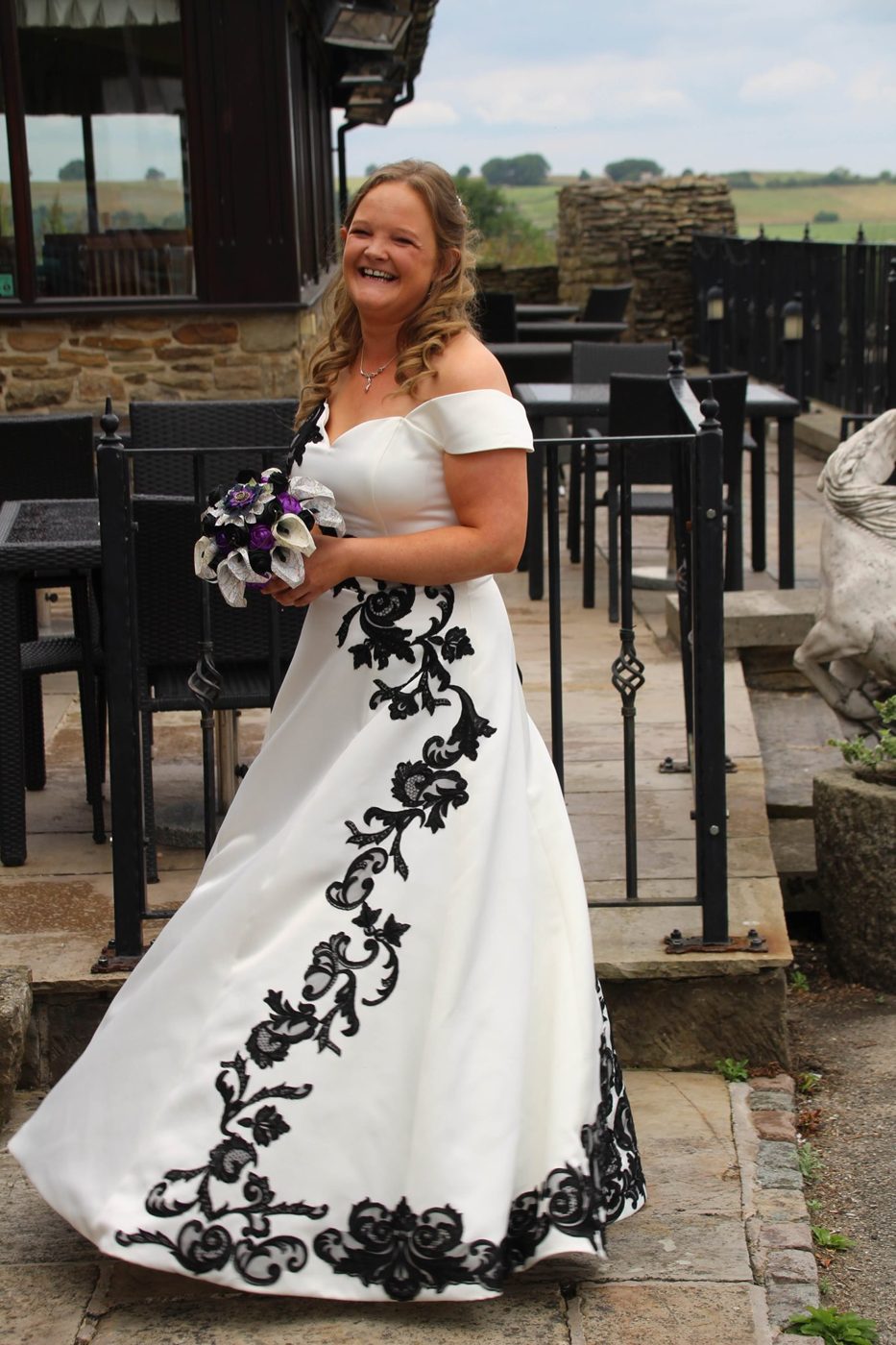
Don’t look for approval from others. Your dress should reflect you and your personality. Choose the one that feels like you, not just the one that looks good on a size 4 model on Instagram.
Friends, family and social media will all have opinions, but you are the one wearing the dress. When a gown truly feels like you, you’ll wear it with confidence, and that is what makes a bride look beautiful.
1. Prioritise Wedding Dress Fit Over Size
Bridal sizing is different from everyday clothing, so don’t panic if the number on the size tag is higher than what you're used to.
What really matters is how the dress fits your body, not the label. Focus on how the gown shapes, supports, and moves with you. A well-fitting dress will always look better than one that technically "fits" by size but doesn’t suit your proportions.
2. Look At the Structure, Not Just the Sparkle
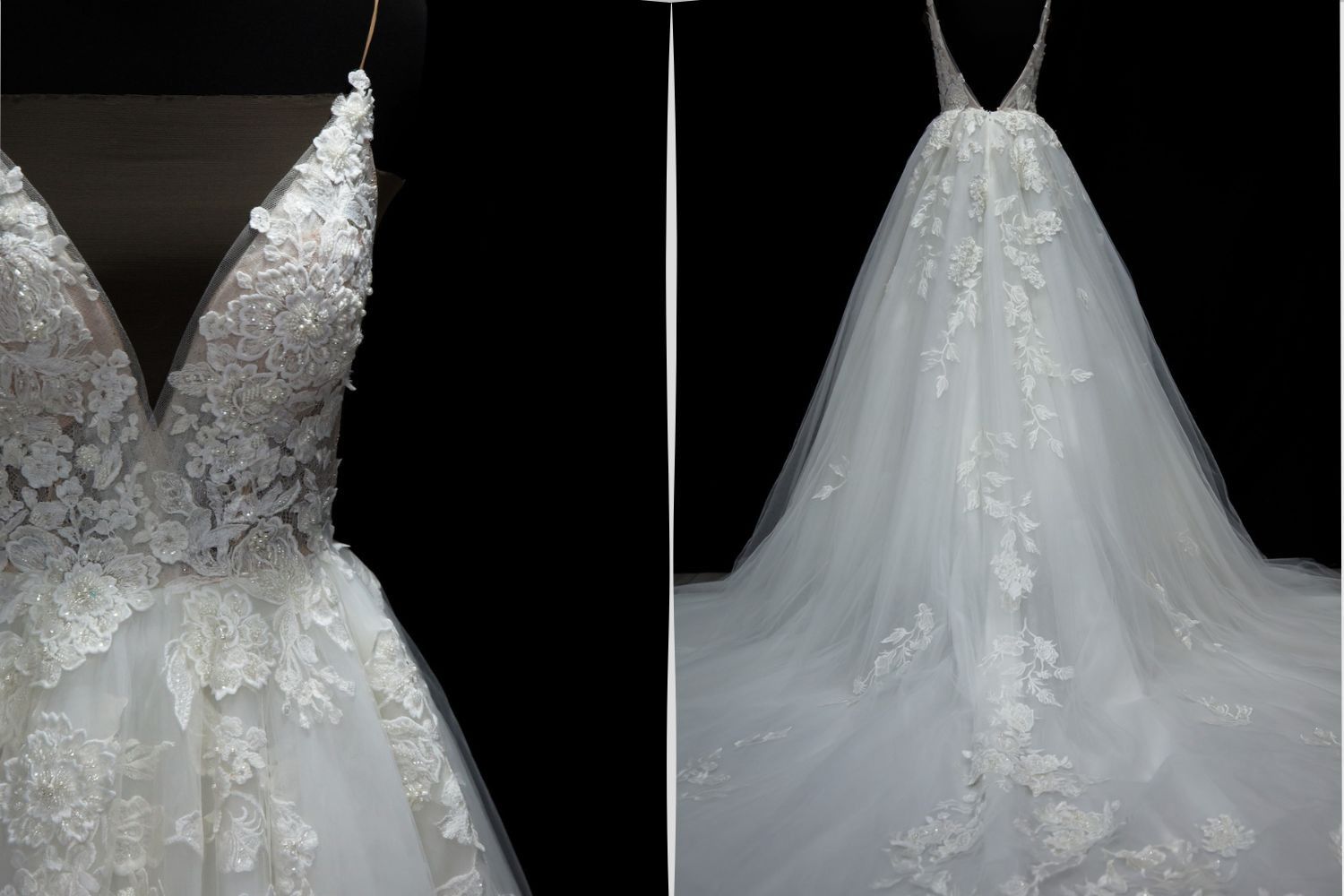
It’s easy to fall in love with lace, beads, or embellishments—but the real magic is in the structure. A gown that lacks built-in support, such as boning or quality lining, can leave you fidgeting with straps and pulling at fabric all day, instead of enjoying the celebration with your loved ones.
Already bought a dress that doesn’t sit quite right? Don’t worry—we can help. Book a bridal alterations appointment with us, and let’s make sure your dress fits you perfectly.
3. Know What’s Easy to Alter—and What’s Not
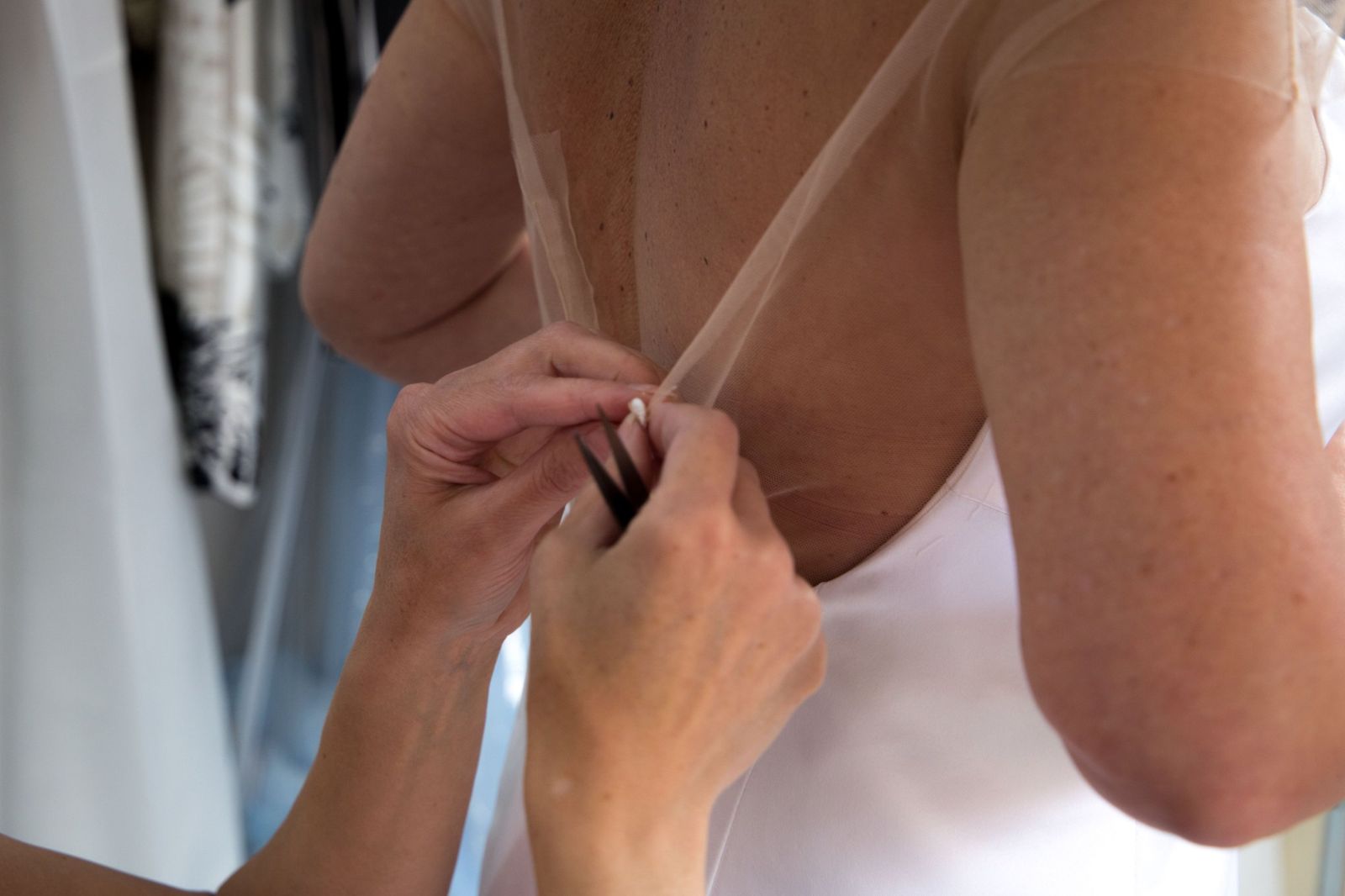
Straps and simple hems are usually the easiest to alter — the bodice, not so much.
Shortening straps or adjusting a simple hemline are some of the most common wedding dress alterations. A hem with a lace edge, a train or several layers takes more work. And when it comes to the bodice, things get more complicated. If the bodice is too loose, too tight, or doesn’t sit properly on your torso, correcting it often requires significant skill and work.
That’s why it’s so important to prioritise the bodice fit when choosing your dress. The bodice provides the structure and support that shapes your silhouette and holds everything in place. If it feels right from the start, the rest of the wedding dress alterations will likely be much easier—and more affordable. Look for a gown that fits you well through the bust, waist, and torso, even if the straps or length need tweaking.
4. Don’t Dismiss a Dress Too Quickly: Ask What Alterations Are Possible
It’s easy to walk away from a dress with unique features—like sleeves, illusion panels, high necklines, or dramatic backs—because you assume they can’t be altered. But many of these details can be adjusted with the right skill and experience. A talented seamstress can reshape sleeves, modify necklines, change lining, or even rework lace and appliqué to suit your vision. Before you pass on a dress that almost feels right, just ask.
If you want sleeves, don’t rule out sleeveless — we can often add them. In many cases, we can add sleeves or straps that match the style and fabric of the original gown. Similarly, a bustle can be added to lift and secure the train, making it easier to move, dance, and enjoy your reception. It’s all part of making the dress truly yours.
Read more: Why Are Wedding Dress Alterations Important?
5. A Straining Zipper Is a Sign—It’s Not Your Size
If the zipper feels tight, pulls awkwardly, or looks strained when you try the dress on, that’s a clear sign the dress is too small. Even if it technically zips up, it’s not the right fit if it feels restrictive or creates tension lines across the fabric.
Don’t rely on alterations to fix a dress that’s too tight. Some dresses have seam allowance to let out and some don’t, so it’s much easier (and safer) to take in a dress that’s slightly too big than to let one out that’s too small. Always choose the size that fits your body comfortably from the start, especially in the bodice and waist. Alterations can fine-tune the fit, but they can’t perform miracles.
6. A-Line and Empire Styles Are the Most Forgiving for Fluctuating Weight
If your weight tends to fluctuate—or you just want some extra breathing room—A-line and empire waist dresses are your best friends. They don’t cling tightly to the body and instead offer a soft, flattering shape that flows away from the midsection and hips.
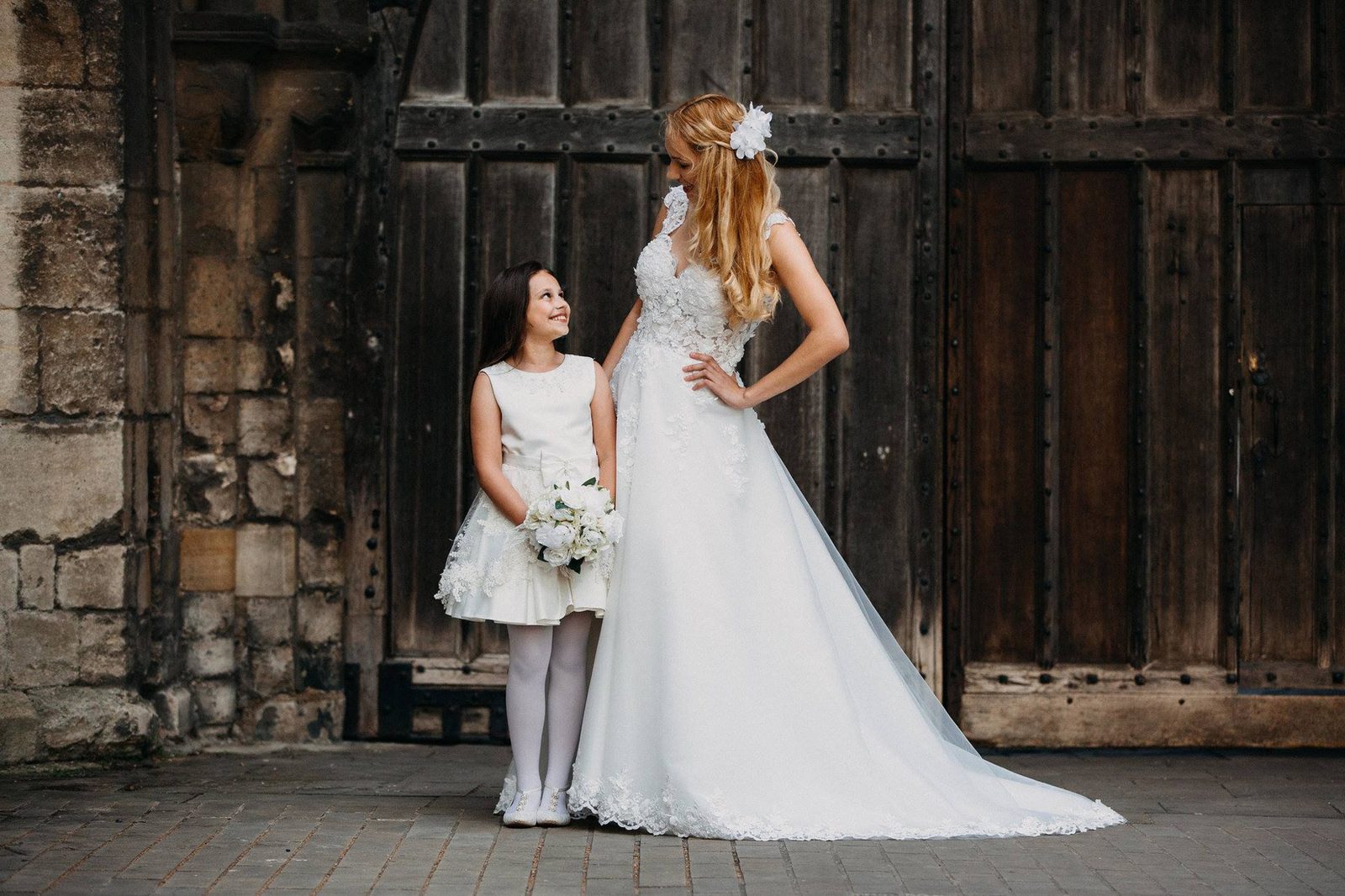
An A-line silhouette gently skims the body from the waist down, creating balance and elegance without feeling restrictive. Empire waist dresses sit higher, just under the bust, allowing the fabric to fall loosely over the stomach and hips. Both give you a little more flexibility in fit if your body changes slightly between purchase and the big day, and they’re comfortable for long wear.
Empire waist and A-line styles are also among the best wedding dresses for pregnant brides. The high seam of an empire waist lets the fabric flow freely over the bump, while an A-line gives a little more room in the midsection.
Read more: Wedding Dress Styles Guide: Choosing the Right Gown for Your Body Type
7. You Don’t Need a Corset Dress to Get a Great Shape — Tailoring Does More Than a Lace-Up
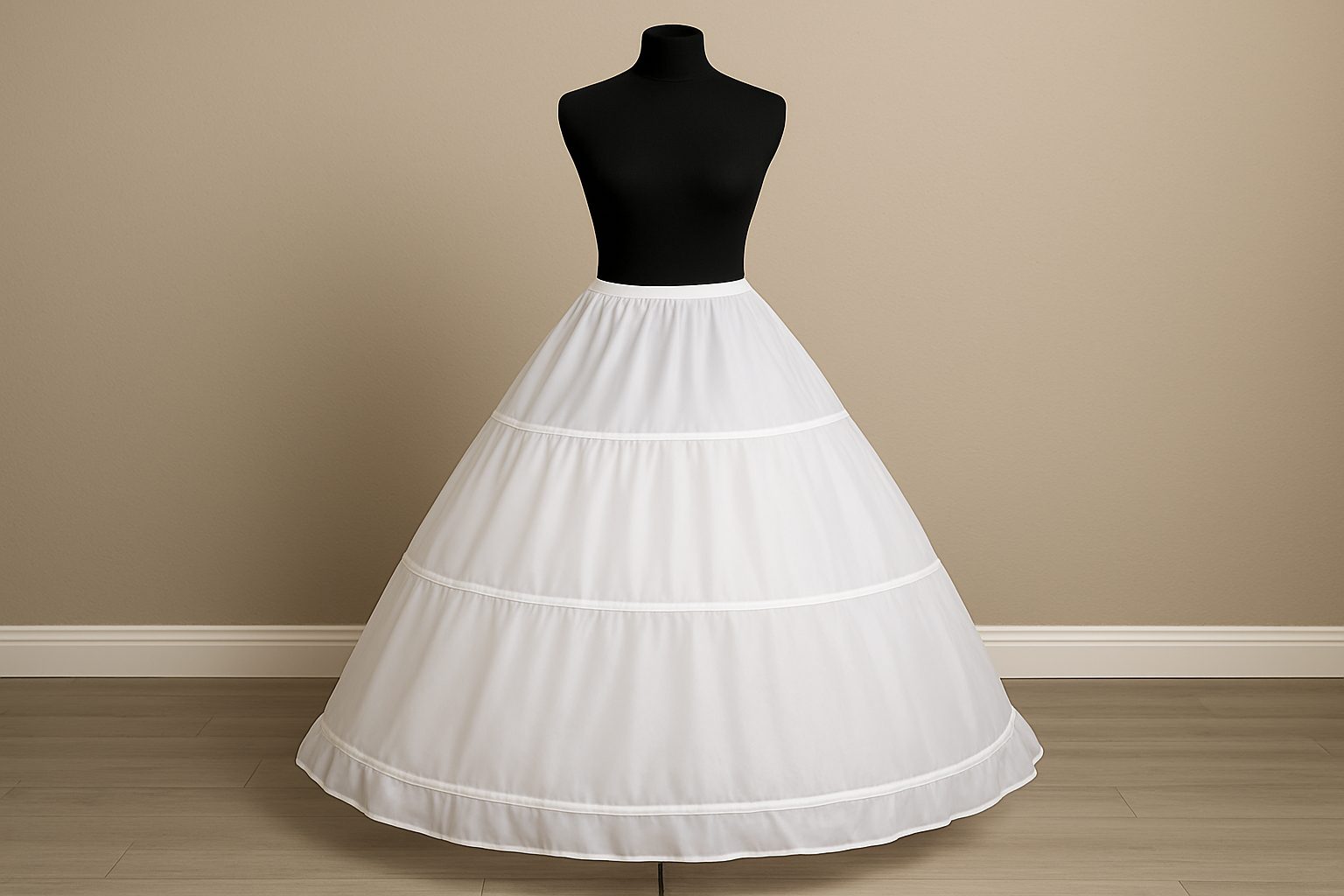
It’s a common belief that only a corset-style wedding dress can give you that perfect hourglass figure. But expert wedding dress alterations can often achieve the same flattering result, without the tight lacing or discomfort of wearing a corset for hours. By shaping the seams, refining the waist or adjusting the bust, a skilled seamstress can bring out your natural silhouette beautifully, and wedding petticoats can add subtle volume and balance.
So don’t feel pressured to choose a lace-up style if it’s not your thing. A well-fitted gown, even with a simple zip or button closure, can be just as striking and far more comfortable.
8. Remember: “Made to Measure” Can Mean Different Things
“Made to measure” can mean very different things. From a dressmaker, it usually means a gown made for you with fittings; from many online shops, it means a standard-size pattern with small changes based on the measurements you send.
Either way, it’s always wise to plan for professional wedding dress alterations to get a perfect fit.
9. Start Wedding Dress Shopping Early
One of the best things you can do for yourself as a bride is to start shopping for your wedding dress as early as you can. Ordering a dress can take several months, and you’ll also need to allow for delivery and alterations. Starting early gives you time to explore different styles, try on dresses without pressure, and avoid the stress and extra costs of last-minute changes.
Wedding coming up sooner? Off-the-peg wedding dresses skip the months of ordering time. Ours are in stock now in UK sizes 6 to 20, and we can fit your chosen dress perfectly to you.
10. Limit Your Entourage
Bringing a huge group of people to your dress appointment might sound fun, but it can quickly become overwhelming.
Everyone comes with their own opinions, preferences, and reactions, and too many voices can make it harder for you to focus on what feels right. Keep your group small and supportive—ideally just one or two people you trust to be honest, kind, and respectful of your vision. Whether that’s your mum, sister, or a close friend, the goal is to have people who listen, not just speak.
11. Book Your Alterations Early
Even if your dress feels close to perfect off the rack, nearly every gown needs some level of alteration to truly fit like a glove. Whether it’s hemming the length, adjusting the straps, taking in the bodice, or adding bust support, these changes take time, and some dresses may need more than one fitting, depending on the work involved.
Once you’ve found your dress, don’t wait to book your alterations. Booking early gives your seamstress time to work carefully without rushing. Waiting until the last minute can limit what’s possible and add unnecessary stress.
Read more: Seamstress vs General Tailor: Why Choose a Wedding Dress Seamstress?
12. Trust the Experts
When it comes to fit, fabric and alterations, trust the professionals. An experienced seamstress has worked with hundreds of dresses and body types and knows how a gown should sit, how fabric will behave and what changes are realistic. If you’re unsure about a recommendation, ask questions—but keep an open mind. Often, the little adjustments they propose make a big difference.
13. Enjoy the Process
Above all, wedding dress shopping is about more than finding a gown. It’s the excitement of stepping into a dress that makes your heart skip, the laughter shared with the people closest to you, and the confidence that grows as the gown begins to feel like it was always meant for you. Let yourself enjoy it.
iStitch: Bridal Alterations & Seamstress in Peterborough
Have questions about what can (and can’t) be altered? Looking for a professional seamstress in Peterborough?
At iStitch, we specialise in wedding dress alterations and customisation, helping brides feel confident and beautiful on their special day. Contact us to book your free consultation, or learn more about our wedding dress alterations in Peterborough. Read our client reviews here.
Still looking for your dress? Book a free try-on of our wedding dresses at our Peterborough studio.

Expert seamstress advice from iStitch
Over 35 years of dressmaking experience, Peterborough. About us